Best cameras for sports
UPDATED OCTOBER 2026Sports needs the fastest burst with tracking and a sensor that reads out quickly, so fast motion stays straight.
How we ranked them: burst speed with tracking, fast sensor readout, weather sealing, from manufacturer specs and lab measurements, plus our overall score. How CameraFits makes money
Who this is for
Photographers who shoot field sports, motorsport, indoor courts and other fast action, from parents at weekend games to working press photographers. Each camera covered is a full-frame, weather-sealed mirrorless body with burst rates of 30 fps or more and subject tracking that recognizes people and vehicles.
What matters most
Burst speed with tracking decides how many sharp frames come from a single play. A high frame rate only helps if autofocus keeps up, so look at what each camera detects and how it holds focus, not just the headline fps. Sensor readout speed matters because most sports shooting now uses the electronic shutter. The sensor is read line by line, and a slow readout makes a swinging bat or a spinning wheel look bent. A faster measured readout, quoted in milliseconds, means less of that distortion and less banding under indoor LED lights. Weather sealing matters for outdoor seasons in rain and cold. Two card slots matter for paid work, where one failed card can mean losing a whole game. Indoor sports also reward clean high-ISO files, since gyms and night stadiums are dim.
How these picks differ
The Canon EOS R1 and Nikon Z9 are large flagship bodies with two CFexpress B slots each and long rated battery life, 1,130 and 740 shots. The R1 has a 24.2MP stacked sensor, 40 fps and a measured readout of 8.3 ms, faster than the Z9's 14.5 ms. The Nikon Z8 puts the Z9's 45.7MP stacked sensor in a smaller body. The Sony A7R VI has 66.8MP, more than the Z8's 45.7MP, useful for cropping from a fixed position. The Nikon Z6 III, Panasonic Lumix S1 II, Canon EOS R6 III and Sony A7 V are mid-size bodies with 24 to 33MP. In that group the Z6 III (9.4 ms measured readout, 60 fps) and S1 II (70 fps) lead on speed, while the A7 V is rated for 750 shots per charge.
Buying advice
Lenses matter as much as the body. A 70-200mm f/2.8 covers most courts and close field action, and outdoor field sports often need 300mm or more. Fast apertures help indoors, where light is poor. Buy the fastest cards each camera supports; CFexpress cards clear a full burst buffer faster than SD. Carry a spare battery, especially for bodies rated under 400 shots. Skip very high resolution unless you crop heavily, since 24MP files are smaller, faster to send on deadline and enough for web and print. For daylight outdoor sports, a mid-size body does most of what a flagship does.
The 8 picks
- 1
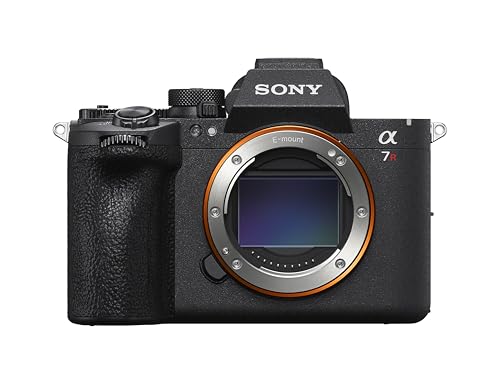 BEST OVERALLSony A7R VI9.8Best for: Sony shooters who crop heavily from fixed positions
The A7R VI pairs a 66.8MP stacked sensor, more resolution than the 45.7MP Nikon Z8, with bursts up to 30 fps. That lets a shooter stuck behind a fence or in a fixed press position crop tightly and still deliver a usable file. Its measured readout of 13.5 ms is quicker than the Nikon Z8's 14.5 ms, and autofocus detects people and vehicles. The 9.44M-dot, 0.9x viewfinder is very sharp, battery life is rated at 710 shots, and both card slots take CFexpress A or SD.
The large files slow transfers on deadline and fill cards fast. Native ISO tops out at 32,000, and its electronic shutter stops at 1/8000 s. Its readout is also slower than the Canon EOS R1's 8.3 ms or the Nikon Z6 III's 9.4 ms. Sports shooters who send images during the game should look at the Canon EOS R1 or Sony A7 V for smaller files.
- 66.8MP full-frame sensor
- 30 fps burst
- 8K video, 4K 120p
- 8.5-stop stabilization
- 2
 Canon EOS R19.6Best for: Canon professionals who shoot fast sports every week
The EOS R1 has a measured readout of 8.3 ms, faster than the Nikon Z6 III's 9.4 ms, from a 24.2MP stacked sensor. It shoots up to 40 fps, and its electronic shutter reaches 1/64000 s. Autofocus detects people and vehicles and is rated to -7.5 EV. Battery life is rated at 1,130 shots, more than the Nikon Z9's 740, and it records to two CFexpress B cards. The 9.44M-dot, 0.9x viewfinder is very sharp, and native ISO reaches 102,400 for dim arenas.
At 1,115 g it is large and heavy, and 24.2MP leaves less room to crop than the Nikon Z8 or Sony A7R VI. It is built for daily professional use, which is more camera than most part-time shooters need. Canon users who shoot on weekends rather than every week should look at the Canon EOS R6 III, which reaches the same 40 fps at 699 g.
- 24.2MP full-frame sensor
- 40 fps burst
- 6K video, 4K 120p
- 8.5-stop stabilization
- 3
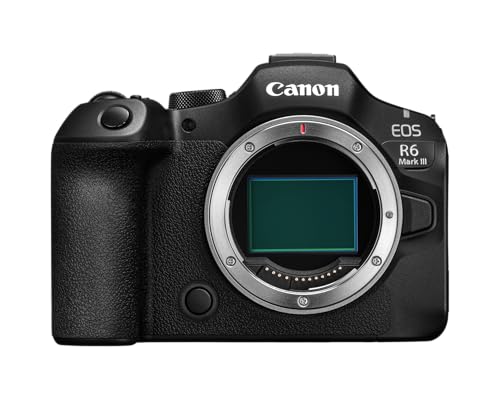 Best for: Canon shooters who want 40 fps in a light, versatile body
The EOS R6 III reaches 40 fps with autofocus that detects people and vehicles down to -6.5 EV. Its 32.5MP sensor gives more cropping room than the 24.5MP Nikon Z6 III, and its measured readout of 14.3 ms keeps most action straight with the electronic shutter. It is weather sealed, has 8.5 stops of stabilization, and records to a CFexpress B and an SD card, so each frame can be written to both. At 699 g it is easy to carry through a long tournament.
It does not use a stacked sensor, and its readout is slower than the Nikon Z6 III's 9.4 ms or the Canon EOS R1's 8.3 ms, which can show on very fast swings. The 3.69M-dot viewfinder is lower resolution than the finders on the flagship bodies. Professionals who shoot fast indoor sports every week should look at the Canon EOS R1.
- 32.5MP full-frame sensor
- 40 fps burst
- 7K video, 4K 120p
- 8.5-stop stabilization
- 4
 BEST VALUENikon Z6 III9.3Best for: Nikon shooters who want fast readout and bursts in a mid-size body
The Z6 III's 24.5MP partially stacked sensor has a measured readout of 9.4 ms, faster than the Nikon Z8's 14.5 ms. That keeps bats, rackets and fast-moving players straight with the electronic shutter. It reaches 60 fps, and its autofocus detects people and vehicles down to -10 EV, very good for dim gyms and night games. The very bright 5.76M-dot viewfinder helps when following action, and it records to CFexpress B plus SD.
The 24.5MP sensor leaves less room to crop than the 45.7MP Nikon Z8, and dynamic range is a step behind rivals. Battery life is rated at 390 shots, so carry a spare. It is also heavy for its class at 760 g. Shooters who need tighter crops from a distance should consider the Nikon Z8, and Canon users after a similar balance should look at the Canon EOS R6 III.
- 24.5MP full-frame sensor
- 60 fps burst
- 6K video, 4K 120p
- 8-stop stabilization
- 5Nikon Z99.3Best for: Nikon pros who shoot full days and need two CFexpress slots
The Z9 is Nikon's flagship body, with a 45.7MP stacked sensor, bursts up to 30 fps and an electronic-only shutter with a measured readout of 14.5 ms. Autofocus detects people and vehicles and is rated to -9 EV. Battery life is rated at 740 shots, and two CFexpress B slots give fast, matched backup for paid work. Its larger body suits long, heavy telephotos on a monopod, and the high resolution leaves room to crop when the action is on the far side of the field.
At 1,340 g it is heavier than the Canon EOS R1 and tiring to carry for a full day on foot. It is also an older design than the Z8, and its readout is slower than the Canon EOS R1's 8.3 ms and the Nikon Z6 III's 9.4 ms. Nikon shooters who want the same sensor in a smaller body should choose the Nikon Z8.
- 45.7MP full-frame sensor
- 30 fps burst
- 8K video, 4K 120p
- 6-stop stabilization
- 6
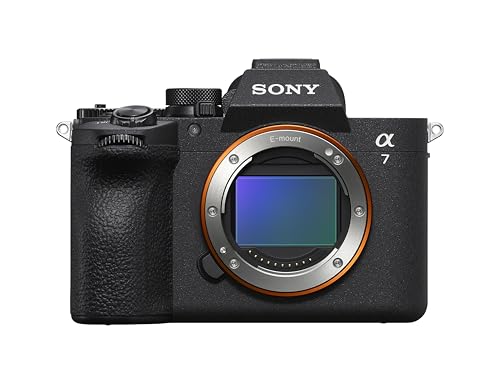 Sony A7 V9.2Best for: Sony shooters who want speed and long battery life
The A7 V shoots up to 30 fps from a 33MP partially stacked sensor with a measured readout of 14.5 ms. Its autofocus detects people and vehicles, and battery life is rated at 750 shots, enough for a full day of games without a change. At 695 g it is lighter than the Canon EOS R6 III. It is weather sealed and has two card slots, one taking CFexpress A or SD and the other SD.
Its autofocus is rated to -4 EV, less sensitive than the Z6 III's -10 EV, which matters under poor stadium lighting. Its readout is slower than the Nikon Z6 III's 9.4 ms, and its 3.69M-dot viewfinder is well below the 9.44M-dot finder of the Sony A7R VI. Shooters who mainly cover indoor sports should look at the Nikon Z6 III or Canon EOS R6 III. Sony users who crop heavily should consider the Sony A7R VI.
- 33MP full-frame sensor
- 30 fps burst
- 4K video, 4K 120p
- 7.5-stop stabilization
- 7
 Best for: L-mount shooters who want very fast bursts and strong video
The Lumix S1 II reaches 70 fps, faster than the Nikon Z6 III's 60 fps, from a 24.1MP partially stacked sensor with a measured readout of 12.7 ms. Its autofocus detects people and vehicles, it is weather sealed, and it records to CFexpress B and SD cards. Stabilization is rated at 8 stops. For shooters who also film games, it adds a cooling fan, open-gate recording and internal ProRes RAW, which makes it a strong body for mixed photo and video coverage.
Battery life is rated at 360 shots, fewer than the Z6 III's 390, and at 800 g it is heavier than the Z6 III. Its autofocus is rated to -6 EV, less sensitive in very dim gyms than the Nikon Z6 III's -10 EV, and its measured readout is slower than the Z6 III's 9.4 ms. Shooters who mostly take stills should compare it closely with the Nikon Z6 III.
- 24.1MP full-frame sensor
- 70 fps burst
- 6K video, 4K 120p
- 8-stop stabilization
- 8
 Nikon Z89.1Best for: Nikon shooters who want flagship speed without the flagship size
The Z8 uses the same 45.7MP stacked sensor as the Nikon Z9, with bursts up to 30 fps and a measured readout of 14.5 ms. Its shutter is electronic only, so there is no mechanical shutter to wear out over a season and no sound during quiet moments such as a golf swing or a tennis serve. Autofocus detects people and vehicles and is rated to -9 EV, which helps in dim arenas. The high resolution allows tight crops from the sideline, and the CFexpress B plus SD slots can keep a backup of every frame.
Battery life is rated at only 340 shots, so spares are essential for a full game. At 910 g it is lighter than the Z9 but heavier than mid-size bodies such as the Canon EOS R6 III. Nikon shooters who want a faster readout and do not need 45.7MP should choose the Nikon Z6 III.
- 45.7MP full-frame sensor
- 30 fps burst
- 8K video, 4K 120p
- 6-stop stabilization